Unleash the full potential of your data.

A behind-the-scenes look at building AI infrastructure with Promoboxx We've been having a lot of conversations lately that start the same way: "We want to experiment with AI, but our data infrastructure is slowing us down. We're wasting all our time on $#&
There’s a moment we kept seeing at ODSC East last week. Someone would be walking by, scanning booths like we all do at conferences—half-looking for free stuff, half-trying to avoid eye contact—and then they’d stop. Dead in their tracks. Not for a t-shirt.
Data problems in companies are not due to people's lack of skills, but from the wrong fundamental approach that doesn't align with how businesses actually operate and evolve.
Let's trace the evolution of the "data lake" concept The term "data lake" was coined by James Dixon, then CTO of Pentaho, in 2010. Dixon used the metaphor of a lake to contrast with the more structured "data mart" (which he compared
The developments of generative AI in the past few years have been amazing. There are promises of AI agents revolutionizing everything from customer service to software development. Now they're coming for your data infrastructure. The pitch is seductive: AI agents will automatically handle data integration, quality, and governance.
You’re Doing ETL Wrong – Here’s a Better Way If you’re still managing your ETL/ELT pipelines like it’s 2015, it’s time to rethink your approach. The recent pricing change by Fivetran is just another glaring example of why the current trend in data integration is
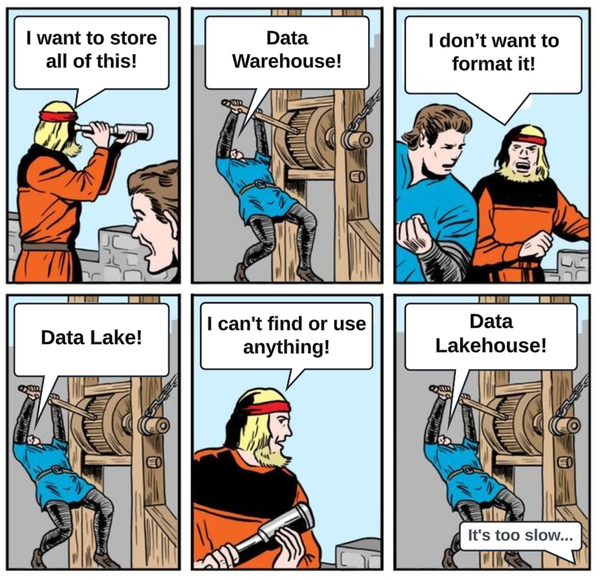
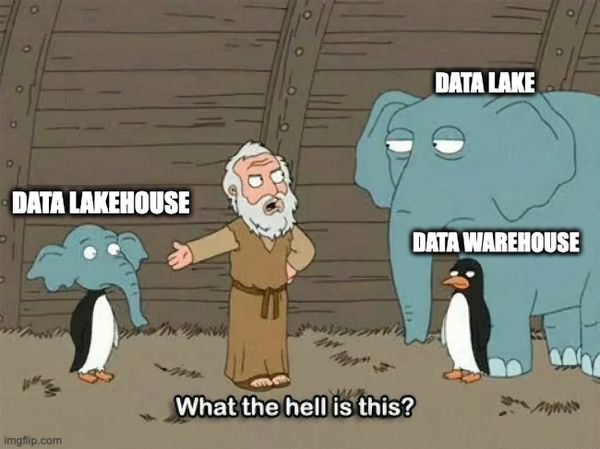
The lakehouse idea springs from a common pain point: warehouses excel at handling structured data and delivering strong analytics performance, but they falter when faced with unstructured data and scalability challenges. On the other hand, lakes shine with unstructured data and flexibility but struggle with governance, consistency, and transactional integrity.
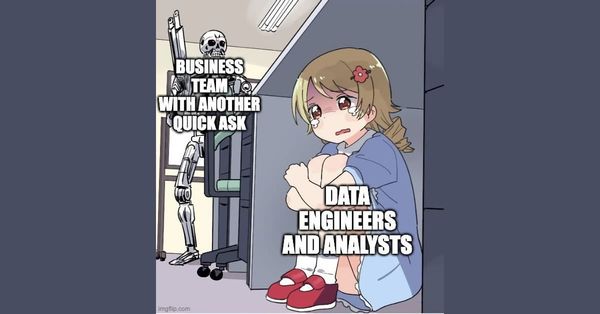
“It’s just a quick ask.” Anyone who has worked with data has heard this phrase—a seemingly simple request: “Can we get a slightly modified report?” “What’s the regional breakdown for this other region?” “Just pull the data.” It sounds like something that should take minutes, maybe hours
The way we handle data is fundamentally broken. Across industries, businesses are trapped in a cycle of centralization of pushing everything into a data lake, warehouse, or some shiny new “lakehouse.” Why? Because getting data out of systems is so painful that the instinct is to store it all in